
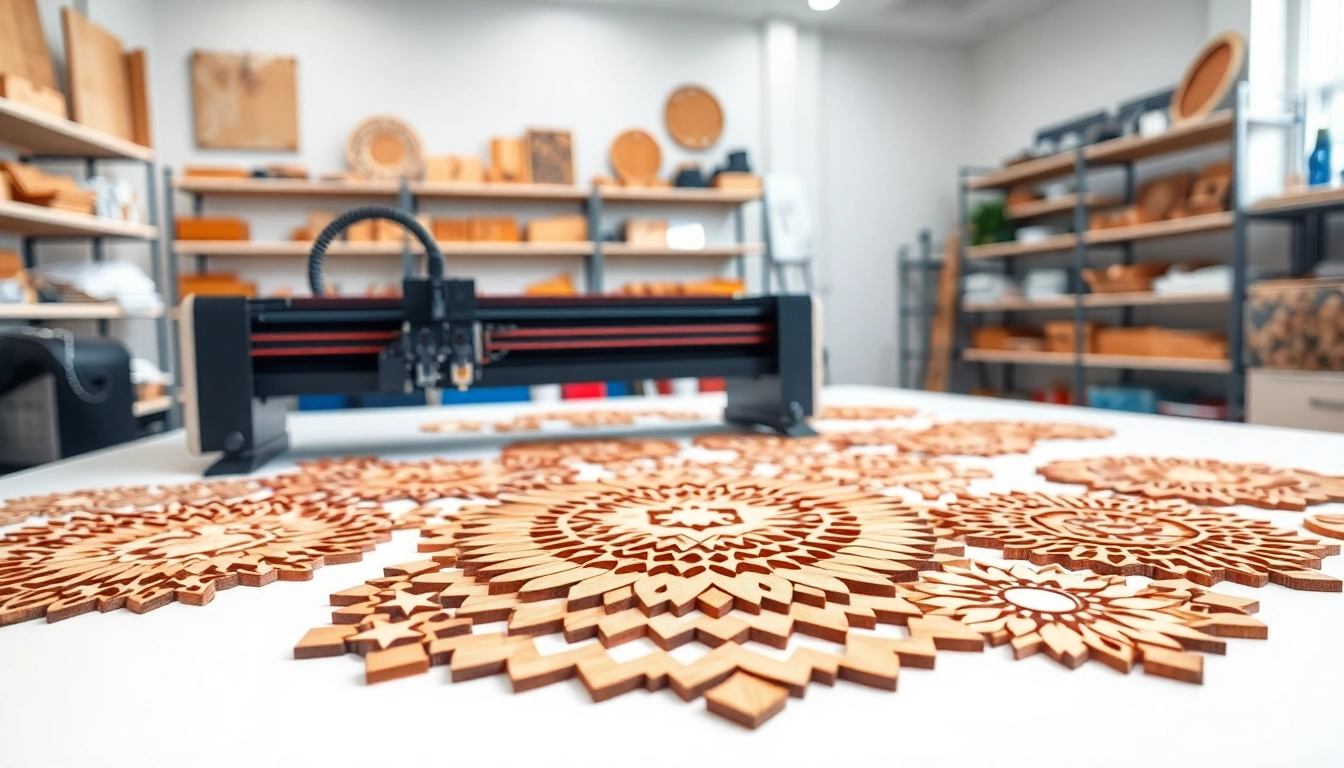
Understanding Laser Cutting Designs
Laser cutting has revolutionized the manufacturing and creative industries, enabling unparalleled precision and versatility in design. This technology uses a high-powered laser beam to cut through a variety of materials, resulting in intricate patterns and shapes. Whether you are an artist, a designer, or a business owner, exploring laser cutting designs can elevate your projects and offerings significantly. In this article, we will dive deep into the world of laser cutting designs, exploring their definition, key materials utilized, and various applications.
What Are Laser Cutting Designs?
Laser cutting designs refer to the various patterns and designs created using laser cutting technology. This process employs lasers to cut materials with extreme accuracy, opening a realm of possibilities for designers and manufacturers. Unlike traditional cutting methods, which often involve blades and physical tools that can leave rough edges, laser cutting generates a cleaner finish, resulting in sharper designs. These designs can range from functional components in engineering to artistic expressions in handmade crafts.
Key Materials for Laser Cutting Designs
Various materials can be utilized for laser cutting designs, making the technique incredibly versatile. The most common materials include:
- Acrylic: A popular choice for its vibrant colors and clarity, acrylic can be cut and engraved to create stunning displays and decorative items.
- Wood: Different types of wood such as MDF, plywood, and hardwood can be intricately cut into shapes and patterns, ideal for crafts and furniture.
- Metal: Thin sheets of metal, including stainless steel and aluminum, can be cut for industrial components, signage, and artistic structures.
- Fabric: Laser cutting is effective for textiles, enabling precise and intricate patterns for fashion, upholstery, and crafts.
- Cardboard: Often used in prototyping and packaging, laser cutting cardboard allows for complex shapes without compromising integrity.
Applications of Laser Cutting Designs
The applications of laser cutting designs are vast and varied, spanning numerous industries. Some notable use cases include:
- Architecture: Precision-cut components for building façade designs and intricate structural details.
- Automotive: Custom parts, designs, and prototypes that require tight tolerances.
- Education: Laser cutting aids in educational projects, allowing students to create interactive learning tools.
- Promotional Materials: Direct engagement through personalized items such as business cards, keychains, and giveaways.
- Art and Design: Artists use laser cutting to create one-of-a-kind installations and intricate artworks that can capture the viewer’s attention.
Benefits of Using Laser Cutting Designs
Employing laser cutting designs in your projects provides numerous advantages that can enhance creativity and efficiency. Here, we tackle the most significant benefits of this technology.
Precision and Detail in Laser Cutting Designs
One of the defining features of laser cutting is its ability to produce highly precise cuts and intricate details. This level of accuracy makes it possible to create complex designs that would be challenging or impossible with conventional cutting methods. The focused laser beam can cut or engrave with tolerances of a fraction of a millimeter, allowing for elaborate designs that cater to exact specifications.
Cost-Effectiveness of Laser Cutting Designs
Laser cutting can be surprisingly cost-effective, especially for small to medium production runs. While the initial investment in laser cutting equipment may be significant, the reduction in material waste and the speed of cutting operations usually results in lower overall production costs. Additionally, its efficiency allows for greater scalability, enabling businesses to grow without a lengthy increase in overhead or labor costs.
Versatility of Laser Cutting Designs
The versatility of laser cutting designs cannot be overstated. This method can be employed across various materials, from textiles to metals, each yielding unique results tailored to specific project needs. Furthermore, different settings can be applied to the laser, allowing for not only cutting but also engraving and marking, expanding the creative possibilities significantly.
Creating Your Own Laser Cutting Designs
For those interested in harnessing the power of laser cutting technology, the process of creating your own designs is both exciting and rewarding. Below, we discuss the steps and considerations involved in going from concept to realization.
Choosing the Right Software for Laser Cutting Designs
The foundation of your laser cutting design begins with the software you choose to create your patterns. Popular software options include Adobe Illustrator, CorelDRAW, and Inkscape, all of which support vector graphics essential for laser cutting. When selecting software, consider compatibility with your laser cutter and your comfort level with design tools.
Design Tips for Effective Laser Cutting Designs
To create effective laser cutting designs, here are some actionable tips to keep in mind:
- Keep it Simple: Overly complicated designs can lead to increased production time and material waste. Aim for clarity and efficiency.
- Consider Material Thickness: Different materials require specific settings. Always design with the material properties in mind.
- Test Your Designs: Before launching a large production run, prototype your designs to test for any issues and ensure quality.
Common Mistakes to Avoid in Laser Cutting Designs
While creating laser cutting designs, certain pitfalls can hinder your results. Here are a few common mistakes to watch out for:
- Neglecting Material Limitations: Not understanding the limitations of the material can lead to unsatisfactory results or failed cuts.
- Ignoring Depth Settings: Miscalculating the depth can result in either incomplete cuts or excessive material being removed.
- Skipping Quality Checks: Failing to inspect prototype samples can result in large-scale errors that could have been avoided.
Case Studies of Successful Laser Cutting Designs
To better understand the application and impact of laser cutting designs, let’s explore a few inspiring case studies from various sectors.
Innovative Applications in Home Decor
Laser cutting has transformed the home decor industry, with designers creating everything from intricate wall art to personalized furniture. One notable case involved a designer who utilized laser cutting to create custom light fixtures, integrating modern technology with traditional aesthetics. The precision of the laser cutting allowed for unique patterns that cast stunning shadows and enhance the ambiance of living spaces.
Creative Uses in Promotional Materials
Businesses increasingly leverage laser cutting to produce promotional materials that stand out. A company specializing in eco-friendly products turned to laser cutting for their packaging, creating custom boxes that were both functional and visually appealing. By combining branding with sustainable materials, they effectively enhanced brand recognition while remaining environmentally conscious.
Unique Gifts and Personalization with Laser Cutting Designs
Laser cutting enables a level of personalization that resonates with consumers. A successful entrepreneur started a business creating customized gifts, such as engraved wooden boxes and personalized jewelry. By utilizing laser cutting technology, they were able to provide intricate designs that reflected personal stories, setting their products apart in a crowded marketplace.
Future Trends in Laser Cutting Designs
The future of laser cutting designs holds exciting possibilities driven by emerging technologies and shifts towards sustainability. Here are key trends to watch out for.
Emerging Technologies in Laser Cutting Designs
As technology continues to evolve, the capabilities of laser cutting systems are expanding as well. Innovations in automation and artificial intelligence are streamlining workflows, allowing for quicker setup times and enhanced precision. Additionally, advancements in laser technologies, including fiber lasers, are enabling cuts in harder materials, broadening the scope of applications.
Sustainable Practices in Laser Cutting Designs
With growing environmental concerns, many businesses are adopting sustainable practices within laser cutting. This involves using eco-friendly materials and minimizing waste during the cutting process. Innovations in designing templates to maximize material usage are also gaining traction, reflecting a shift towards more responsible manufacturing processes.
Pioneering New Aesthetics with Laser Cutting Designs
The aesthetic potential of laser cutting designs is continually being redefined by innovative artists and designers. The introduction of new materials that react differently to laser cutting allows for exciting art forms. From architectural designs that feature intricate lace-like patterns to fashion pieces that mix fabrics and laser-cut elements, the future of aesthetics in laser cutting is vibrant and diverse.
Frequently Asked Questions (FAQs)
What materials can be used for laser cutting?
Common materials include acrylic, wood, metal, fabric, and cardboard, each offering unique design opportunities.
How does laser cutting differ from traditional cutting methods?
Laser cutting uses a focused beam for high precision and cleaner cuts, while traditional methods may require physical tools that can lead to rougher edges.
Is laser cutting cost-effective for small businesses?
Yes, laser cutting is often cost-effective due to reduced waste and faster production times, especially for small runs.
Can I design my own patterns for laser cutting?
Absolutely! You can use various vector graphic design software to create custom designs specifically for laser cutting.
What are common mistakes in laser cutting design?
Neglecting material limitations, ignoring depth settings, and skipping quality checks are all mistakes to avoid for successful designs.