Understanding the Construction Association
Definition and Purpose of a Construction Association
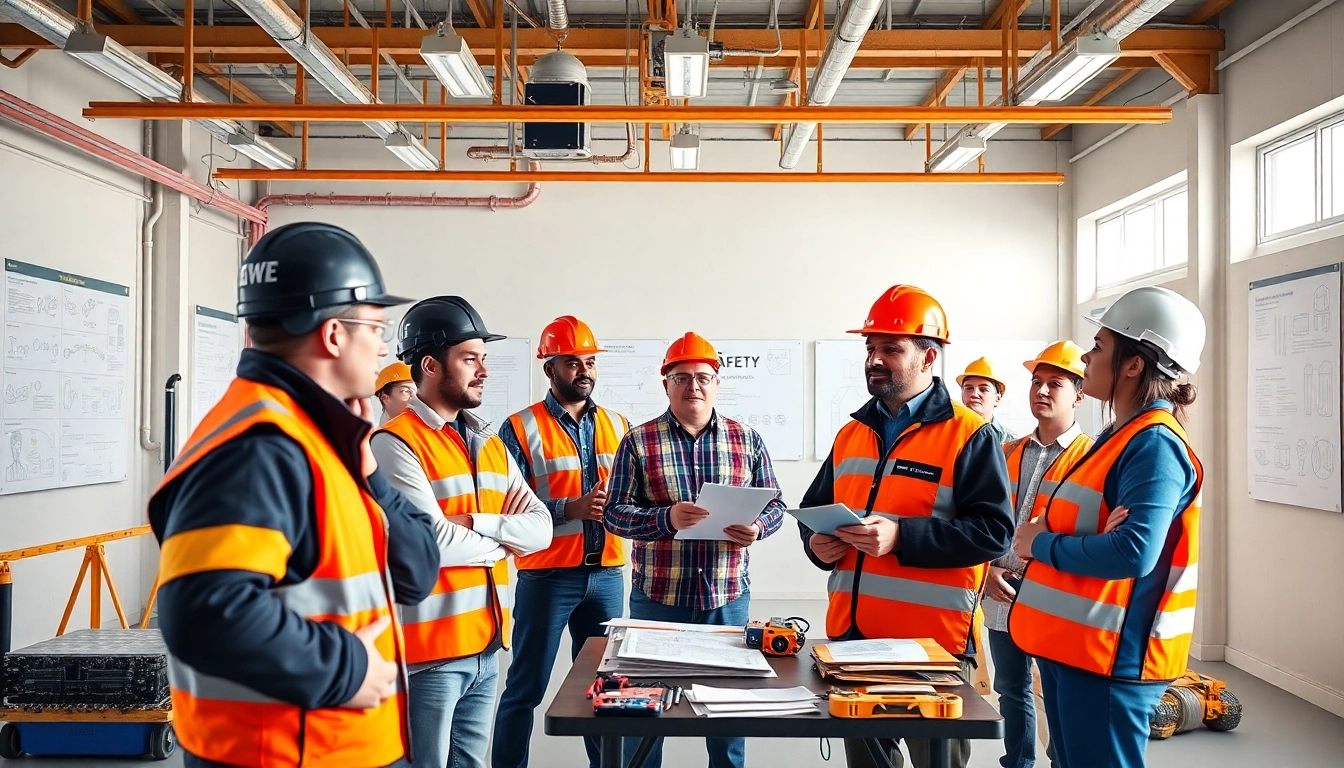
The construction industry is a complex field that requires cooperation among various stakeholders, from contractors and subcontractors to suppliers and regulatory agencies. A construction association serves as a vital bridge within this ecosystem, providing a platform for members to collaborate, share insights, and influence industry standards. A construction association is primarily focused on the interests of professionals engaged in building and infrastructure projects. These associations aim to advocate for their members while providing necessary resources and support to navigate the intricate regulatory landscape of construction.
Key Roles and Functions
Construction associations fulfill several crucial roles. One of their primary functions includes representation of the industry’s interests at local, state, and national levels. They often participate in policymaking processes, ensuring that the voices of construction professionals are heard. Moreover, these organizations provide educational resources, training, and certification programs that enhance the skills of their members. By offering networking opportunities, they also facilitate the formation of partnerships and collaborations crucial for business growth.
Benefits of Membership
Joining a construction association offers numerous advantages that can significantly boost a member’s career and business. Members gain access to exclusive industry insights, which can inform strategic decision-making. Additionally, associations offer essential training sessions that can improve skills and increase market competitiveness. There’s also the invaluable benefit of networking, where members can connect with other professionals, share best practices, and develop collaborations that can lead to new projects and opportunities.
Advocacy and Representation
How Construction Associations Influence Policy
Construction associations play a critical role in lobbying for policies that benefit the industry. They organize campaigns to influence lawmakers, advocate for favorable regulations, and monitor legislative developments. Through research and publications, these associations provide data-driven insights that inform policymakers about the current challenges and needs of the construction industry. This active engagement ensures that the unique perspectives of construction professionals are integral to the legislative process.
Engaging with Government and Stakeholders
Effective engagement with government bodies and stakeholders is essential for construction associations to achieve their goals. They often participate in public hearings, provide testimony, and submit position papers on key issues affecting the industry. This collaborative approach not only helps inform officials but also builds a rapport that is crucial for favorable policy outcomes. By establishing themselves as reliable resources, construction associations can shape discussions and create a supportive environment for their members.
Advocacy Success Stories
Documented cases of advocacy success by construction associations highlight their impact on public policy. For example, an association might successfully lobby for policy changes that lead to reduced permitting times for construction projects, allowing businesses to operate more efficiently. These victories not only enhance the operational capabilities of member businesses but also serve as motivation for continued engagement, underscoring the tangible benefits of collective action.
Educational Resources and Training
Workshops and Certification Programs
Training and education are cornerstones of the value that construction associations provide. They offer workshops tailored to the specific needs of professionals at every level, from budding learners to seasoned veterans. Certification programs endorsed by industry experts can also help members stand out in a competitive marketplace, establishing credibility and showcasing expertise.
Continuing Education Opportunities
In an ever-evolving industry, continuous education is essential. Construction associations frequently provide a variety of continuing education opportunities that help professionals stay updated on the latest technologies, compliance standards, and best practices. These programs not only upgrade skills but also provide members with credentials that enhance their career prospects and professional growth.
Resources for New Members
For newcomers, navigating the construction landscape can be daunting. Construction associations offer an array of resources specifically designed to assist new members. From introductory networking events to mentorship programs, these resources are tactically developed to foster engagement and integration into the industry, encouraging growth and facilitating knowledge transfer from experienced professionals.
Networking and Collaboration Opportunities
Building Professional Relationships
Networking is one of the most valuable aspects of a construction association. Members have the opportunity to connect with peers across various sectors of the industry, fostering relationships that can lead to collaborations on projects. These personal connections are often instrumental in securing contracts and sharing resources, effectively building a robust professional network that supports long-term career development.
Annual Conferences and Events
Annual conferences and events organized by construction associations serve as significant networking venues. They often feature keynote speakers from industry leaders, breakout sessions on relevant topics, and exhibitions showcasing advancements in technology and materials. These events not only allow members to learn and grow but also are crucial for cultivating a sense of community within the industry.
Online Networks and Forums
In addition to in-person events, many associations have created online platforms for networking and collaboration. These digital forums enable members to connect outside traditional settings, encouraging sharing of problems and solutions among peers regardless of geographical barriers. They serve as valuable avenues for exchanging ideas and fostering innovative practices within the construction landscape.
Future Trends in Construction Associations
Technological Integration in Training
The future of construction associations is heavily influenced by technological advancements. As the industry becomes more technology-driven, associations are likely to adopt innovative training tools, such as virtual reality (VR) and augmented reality (AR), to enhance learning experiences. These emerging technologies offer immersive learning opportunities that can lead to better skill acquisition and retention among members.
Shifts in Industry Standards and Policies
As the construction industry faces increasing pressure to adopt sustainable practices, associations are challenged to address shifting standards and policies. This dynamic landscape necessitates adaptability and foresight from construction associations to ensure their members are informed and prepared for these changes. A proactive approach in aligning training and resources with new regulations will be crucial in maintaining members’ competitiveness.
The Evolving Role of Associations in Sustainability
With growing emphasis on sustainability, construction associations are taking the lead in promoting eco-friendly practices. They are providing resources and guidelines to help members implement sustainable technologies and materials in their projects. This role not only benefits the environment but also enhances the reputation of the industry, creating a positive impact on public perception and policy.
Frequently Asked Questions
What is a construction association?
A construction association is an organization that represents the interests of professionals in the construction industry, providing resources, training, and advocacy.
What benefits do I get from joining a construction association?
Membership offers access to training, networking opportunities, industry insights, and advocacy efforts crucial for professional growth.
How does a construction association advocate for its members?
They engage in lobbying efforts, provide testimony at hearings, and offer publications to inform policymakers about industry needs and challenges.
What kind of training is available through construction associations?
Associations offer workshops, certification programs, and continuing education to enhance skills and keep members updated on industry standards.
How can networking benefit my career in construction?
Networking allows you to build professional relationships, share best practices, and collaborate on projects that can enhance your career opportunities.