
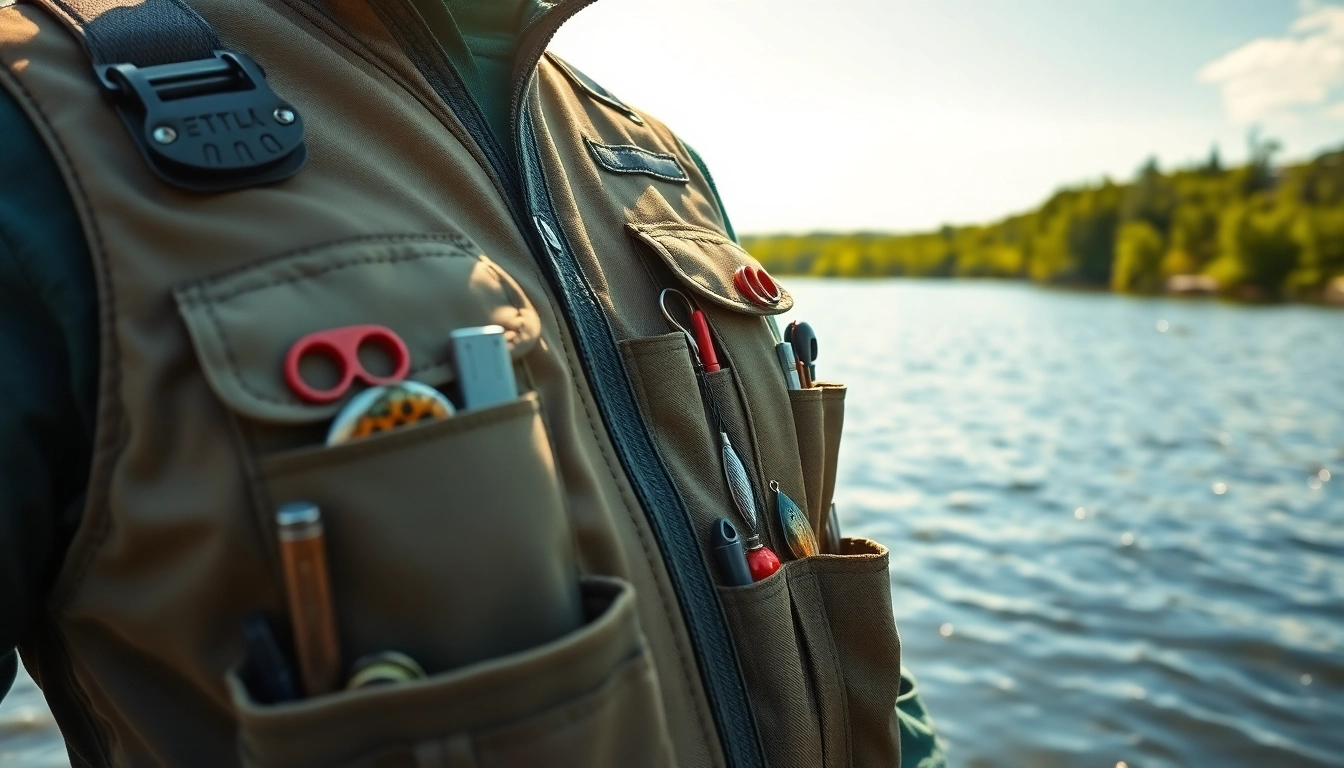
The Importance of a Good Fly Fishing Vest
A fly fishing vest is not just an accessory; it’s an essential component of any angler’s gear. Its importance cannot be overstated, as it combines functionality, comfort, and practicality to enhance the fishing experience. Whether you’re wading in a mountain stream or casting in a tranquil lake, a well-chosen fly fishing vest provides storage, organization, and accessibility to your fishing essentials, which can lead to a more enjoyable and productive outing.
Benefits of a Fly Fishing Vest
The benefits of using a fly fishing vest extend beyond mere convenience. Here are some key advantages:
- Accessibility: With a fly fishing vest, everything you need—from flies to tools—is at your fingertips. This immediate access can make all the difference when you’re out on the water.
- Organization: A good vest will often have multiple pockets, zippers, and compartments, allowing for organized storage of various items like lines, leaders, and tippets.
- Comfort: Many vests are designed with ergonomic features and lightweight materials, ensuring that they are comfortable to wear even during long fishing sessions.
- Improved Fishing Efficiency: By keeping necessary tools and gear organized and accessible, you will spend less time fumbling around and more time fishing.
Key Features to Consider
When selecting a fly fishing vest, certain features can make a significant impact on your fishing experience:
- Pockets: Look for a vest with a variety of pockets, including mesh pockets for visibility and waterproof compartments for sensitive items.
- Adjustability: A vest that fits well across the shoulders and chest will provide better mobility and comfort. Adjustable straps can accommodate layering for different weather conditions.
- Weight: An overly heavy vest may hinder your movement. Opt for a lightweight design that won’t weigh you down.
- Breathability: Especially important for warm weather, breathable fabrics and mesh panels can help keep you cool during active fishing days.
Popular Materials Used
The choice of materials for a fly fishing vest can significantly affect its performance and durability. Here’s a breakdown of some popular choices:
- Nylon: Known for its strength and water-resistant properties, nylon is a popular choice for many fishing vests. It’s lightweight and durable.
- Polyester: Also lightweight, polyester has good UV resistance and dries quickly, making it ideal for wet environments.
- Mesh: Many vests incorporate mesh panels for ventilation. These are particularly useful in hot weather since they allow airflow while maintaining storage capabilities.
Types of Fly Fishing Vests
Fly fishing vests come in various styles, each suited to different fishing preferences and environments. Understanding the options available can help you choose the best one for your needs.
Traditional Versus Modern Vests
Traditional fly fishing vests typically feature a simple design with various pockets and minimal tech integration. Modern vests, on the other hand, often include enhanced features such as integrated hydration systems, built-in rod holders, and more versatile organizational systems.
While traditional vests offer a classic appeal and are usually more affordable, modern options provide advanced features that can significantly improve your fishing experience, especially in varying conditions.
Chest Vests: Pros and Cons
Chest vests, or chest packs, have gained popularity among anglers for their unique design. These vests sit higher up on the body, allowing for more mobility and less bulk around the waist.
Pros include:
- Enhanced freedom of movement, ideal for bending or casting.
- Often lighter than traditional vests.
However, some potential cons include:
- Less storage capacity compared to full vests.
- May not accommodate larger gear items as efficiently.
Hybrid Options for Versatility
Hybrid vests combine features of both traditional and chest vests. They provide a unique solution for anglers who want the best of both worlds. These vests often have adjustable components, allowing you to switch between a chest pack and a full vest as needed.
They usually come equipped with ample storage, and their flexibility makes them suitable for various fishing conditions, allowing for streamlined access to gear.
How to Choose the Right Fly Fishing Vest
Choosing the correct fly fishing vest can be a daunting task, given the plethora of options available. By evaluating several factors specific to your fishing style and preferences, you can make a well-informed decision.
Assessing Your Fishing Style
Your fishing style—whether wading, boat fishing, or lake fishing—will influence the right vest choice. For example, wading anglers may prioritize lightweight materials and quick-drying qualities, whereas boat fishers may look for additional storage options for larger gear. Consider how often you plan to use the vest and under what conditions to determine the best fit for your needs.
Fitting and Comfort Considerations
A fly fishing vest needs to fit comfortably to allow for prolonged wear. To find the right fit, measure your chest circumference and consider layering options for cold weather. Many manufacturers provide fit guides to help you select the best size based on your measurements.
Also, take the time to try on different vests. Look for adjustable straps and ergonomic designs that permit unrestricted movement. A well-fitted vest should feel secure without being constrictive.
Budget Tips and Recommendations
The price of a fly fishing vest can range considerably depending on features, brand, and material quality. A good quality vest can be found starting around $50, while high-end options may exceed $300. Setting a realistic budget based on the features you prioritize is essential.
Consider investing in a mid-range vest that provides solid functionality but doesn’t break the bank. Look for sales or seasonal promotions to stretch your budget further while securing a quality product.
Maintaining Your Fly Fishing Vest
Once you’ve chosen the right fly fishing vest, proper maintenance will prolong its life and performance. Here are some essential cleaning and care tips.
Cleaning and Care Instructions
Cleaning your fly fishing vest regularly is crucial to prevent dirt and moisture from degrading the materials.
Follow these steps:
- Check care labels before washing.
- Hand wash with mild detergent in cool water to avoid damaging the fabric.
- Allow the vest to air dry, avoiding direct sunlight which can fade colors and weaken materials.
Storage Tips for Longevity
When not in use, store your fly fishing vest in a cool, dry location. Avoid cramming it into tight spaces to maintain its shape. Hanging the vest in a closet or on a rack can prevent unwanted creases and ensure easy access and visibility when you’re ready for your next fishing trip.
Upgrading and Modifying Your Vest
As your fishing skills evolve or your needs change, you may wish to upgrade or modify your existing vest. This could involve adding additional pockets or attachments to customize storage based on your current fishing style. Purchase additional components designed for your specific vest brand to ensure compatibility and a streamlined fit.
FAQs About Fly Fishing Vests
What is the best material for a fly fishing vest?
Lightweight, water-resistant materials like nylon or polyester are ideal for durability and comfort.
How much does a quality fly fishing vest cost?
Prices can range from $50 to over $300, depending on features and brand reputation.
Can I use a fly fishing vest for other types of fishing?
Yes, fly fishing vests can also be useful for conventional fishing by providing storage for tackle.
What features should I look for in a fly fishing vest?
Look for multiple pockets, adjustability, comfort, and good ventilation to suit your needs.
How do I determine the right size for a fly fishing vest?
Measure your chest and consider layering clothing underneath for the best fit and comfort.